You are here
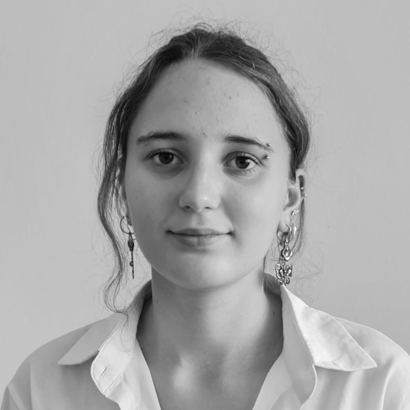
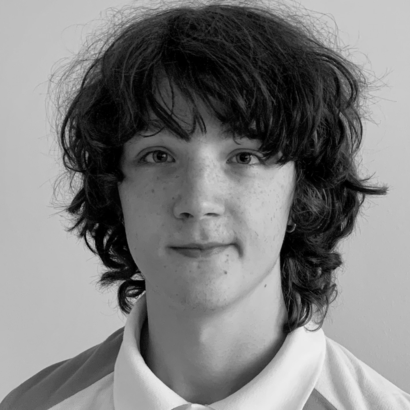
Kiarad 2i fra Nørre G skal til OL i matematik
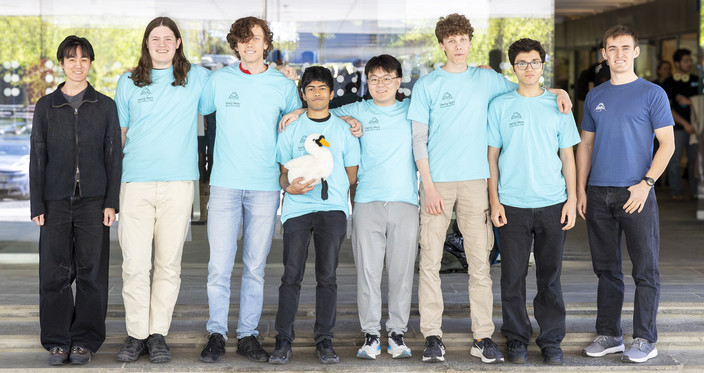
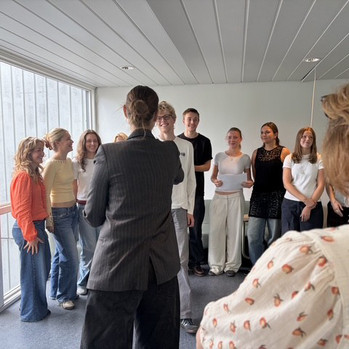
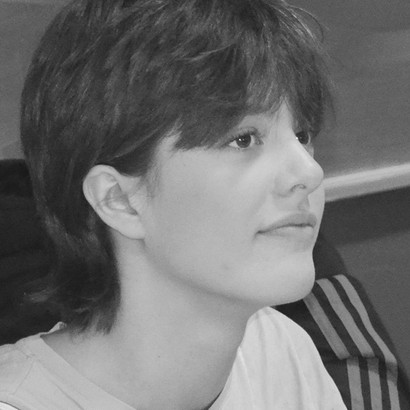
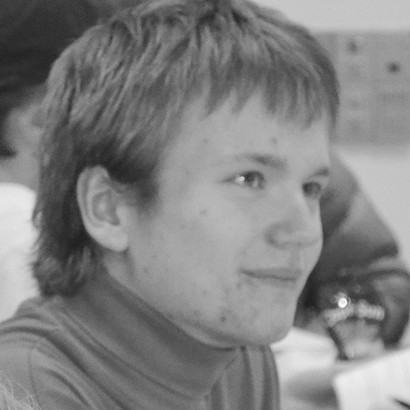
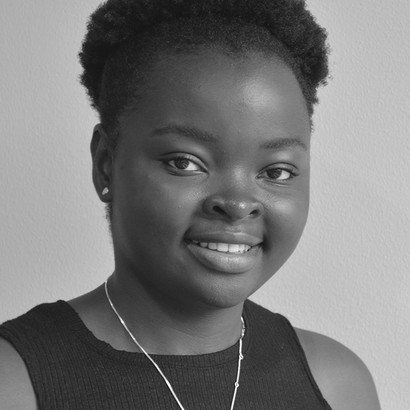
Holdene til årets olympiader blev offentliggjort ved Scienceolympiadernes store event på DTU den 4. maj. Her var der spænding i luften, da det blev afsløret, hvem der skal repræsentere Danmark ved de internationale olympiader i biologi, datalogi, fysik, geografi, kemi – og matematik.
Over 20.000 unge fra hele landet deltog i de indledende runder af konkurrencerne i efteråret. Gennem prøver og træningslejre er deltagerfeltet blevet snævret ind, og kun de allerbedste er tilbage – Kiarad er en af dem.
Læs mere her.
Four question for Kiarad:
What fascinates you about math?
Surprisingly I wasn't fascinated with mathematics particularly until fifth grade. I used to think that mathematics is a really rigid and non-interactive subject and is disconnected from natural life which was my fascination at the time. However, as I grew older and entered secondary school, I realised that mathematics is not merely just adding , subtracting and dividing numbers, but it is a way of thinking in which we try to reach conclusions based on certain premises while following logical steps. in other words, I was introduced to proofs, and this is really what got me fascinated about mathematics.
What do you look forward to when you go to China to the IMO?
Aside from the mathematical aspect of the competition, the biggest thing I am looking forward to is the people I am going to meet there and, hopefully, the things I will learn from them. After all, what on earth would be better than meeting over 600 top math nerds from all across the world and having conversations with them?
How long have you been interested in math? Or maybe, how long have you been in competition-math and the International Mathematical Olympiad?
I got interested in mathematics around the beginning of 6th grade, when my math taught me how to think logically about interesting puzzle-like math problems. This was also the thing that got me interested in math olympiads and encouraged me to participate in different competitions. Finally, when I came to Denmark, I realised that I might have a chance to compete for the international math olympiad team which I had always dreamed about since I was in 7th grade.
How do you train for the olympiad?
This really depends on which stage of preparation I was in. When I first started seriously training for Danish math olympiads, I read a lot of theory books and did relevant problems which sometimes required me to think about them, often for several hours before failing to solve them!!
But then at later stages, when I was more comfortable with the theoretical background and could solve easy problems, I started mostly spending my time trying to solve actual contest problems. in doing so, I always aimed to try problems which are not that easy for me. This meant that I couldn't finish solving the problems I tried for several hours but it was because of these failures that I improved. Towards the final selection stages, I would spend 5-6 hours on normal days and 8-10 hours on weekends or holidays, and I would spend anywhere from a half an hour to 3 hours for each problem
 KK(CM/05JUN26